Masai Mara
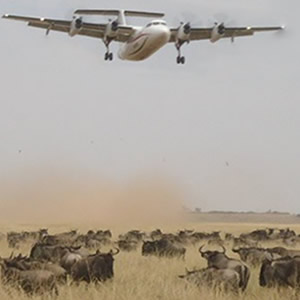
Embark on a once-in-a-lifetime Wildebeest Migration Safari to witness the incredible display of nature's wonders of the world.
Masai Mara
previous arrow
next arrow

Kenya Epic Safaris

Kenya Epic Safaris is a home-grown tour company based in Nairobi and we major in all matters travel across the East African region. Our main niche is wildlife safaris in Kenya, Tanzania, Uganda and Rwanda.

Team epic safaris takes great pride in offering exceptional services but also unforgettable holiday experiences. Indeed our tours are designed to captivate the imagination of every tourist seeking an adventure in East Africa.

Kenya Safari Specialist

Kenya Epic Safaris primarily specializes in wildlife safaris, bespoke tours, mountain climbing expeditions, adventure walks and hiking trips. Beside that, we also offer beach holidays and car hire services. Our services en compasses prior booking of hotels, desired touristic marvels and assorted modes of transport desired by the client.  We facilitate travel and game drives with our customized 4×4 safari vans and land cruiser jeeps. Additionally we have other transportation options that can service car hire needs or airport transfers.

Team epic safaris meticulously manages the daily activities that our clients wish to pursue. In addition, we provide expert guidance on the optimal times to embark on various safari experiences. Our clients can engage in a range of activities during their holiday. Notably, they include game viewing, boat excursions, balloon safaris, trekking adventures, mountain climbing and outdoor camping.

Safari Logistics

The team diligently organizes your safari vacation. Equally important we consider your preferences regarding accommodation, preferred tourist attractions and the makeup of your fellow travelers. In addition, the careful planning enhances the tour packages, making them more exciting and attractive to the client.

Your visit to Africa will always be a distinct experience, regardless of how frequently you explore East Africa. This region is rich in resources, featuring remarkable parks and reserves, each offering its own unique attractions. Moreover, the diverse wildlife species and ancient sites that illustrate the region’s history contribute to an enchanting safari experience.

East Africa As A Tourist Destination

The pristine white sandy beaches of Mombasa and Zanzibar provide a profound sense of tranquility, making them ideal destinations for a perfect retreat. What’s more these locations allow visitors to unwind and liberate their minds in a state of bliss. Ukunda Beach has repeatedly been recognized as the best beach in Africa by the esteemed World Travel Awards.

We invite you to allow us the privilege of organizing your ideal holiday. Furthermore, this leaves you with the simple task of relaxing and savoring the finest experiences that Africa presents. This expansive region stands as a premier holiday destination, offering a diverse array of options to suit every preference and budget.

Finally as a tour operator, Kenya Epic Safaris recognizes that the most effective marketing strategy is through “word of mouth.” In this regard, we are committed to ensuring that our services adhere to the highest standards, which in turn guarantees not only repeat clientele but also referrals to prospective customers.

Reach out to Kenya epic safaris today and begin the journey to your dream African getaway.

East Africa Safari Categories & Tour Services

Essential Information You Should Know About East Africa

Overview

The response to this inquiry is primarily influenced by your specific interests and experiences desired during your safari journey. East Africa is characterized by two principal seasons; the dry season and the wet season. In fact each season presents distinct opportunities for wildlife observation.

Dry Season

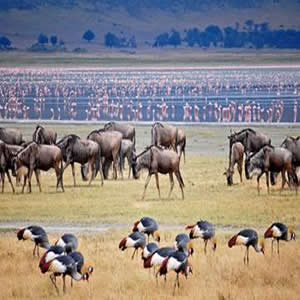
Typically, there are two dry seasons that are considered most favorable for safaris. The first occurs from mid-December to the end of March, while the second spans from July to October. The wet season is further divided into two segments; the long rains, which take place in April and May, and the short rains, occurring from early November to mid-December. Notably, the dry season coincides with the Great Wildebeest Migration. Uniquely millions of wildebeest and zebras traverse the Serengeti plains to Masai Mara in search of more fertile grazing grounds. This remarkable event is a spectacular sight and is essential for any safari aficionado. Furthermore, this period is recognized as the peak season in the tourism calendar, attracting the highest influx of visitors.

Wet Season

Conversely, the wet season, lasting from November to May, can also provide distinctive safari experiences. The landscape becomes vibrant and verdant during this time, creating an exquisite setting for wildlife photography. Additionally, the wet season offers the chance to observe newborn animals and the return of migratory birds to the area. However, it is important to note that the wet season may render some roads impassable, and the denser vegetation can complicate wildlife spotting.

Summary

In conclusion, the optimal time for a safari in East Africa is contingent upon your personal preferences and interests. Whether your goal is to witness the Great Migration, appreciate the lush scenery of the wet season, or simply enjoy the rich diversity of wildlife that East Africa presents. There are countless extraordinary safari experiences awaiting you in this region. Tailor your safari plans according to your desired experiences, and you are bound to have an unforgettable adventure in East Africa.

Overview

Undertaking a safari presents an exhilarating and memorable experience. However, adequate preparation is crucial to fully appreciate the sights and sounds of the African wilderness. Selecting the appropriate gear and essentials can significantly enhance the comfort and enjoyment of your safari. Kenya Epic Safaris has compiled a detailed list of items to consider packing for your adventure.

Clothing

It is vital to dress suitably for a safari. Choose lightweight, breathable garments in neutral tones to harmonize with the environment. Include a variety of long-sleeved shirts, trousers, and shorts to shield yourself from the sun and insect bites. Additionally, remember to bring a wide-brimmed hat, sunglasses, and a light jacket for cooler evenings.

Footwear

Comfortable, closed-toe footwear is essential for walking safaris. Select durable hiking boots or sneakers that offer adequate support and protection against thorns and rocky terrain. Flip-flops or sandals may be useful for leisure time at the camp.

Safari Essentials

Binoculars are crucial for observing wildlife from afar. A quality camera equipped with a zoom lens will also be beneficial for capturing unforgettable moments. Ensure you have extra batteries and memory cards on hand.

Toiletries

Include essential items such as sunscreen, insect repellent, lip balm, hand sanitizer, and any personal medications. It is advisable to choose biodegradable soaps and shampoos to lessen your environmental footprint.

Hiking Accessories

Bring a headlamp or flashlight for navigating after dark, a multi-tool for unforeseen circumstances, and a reusable water bottle to maintain hydration.

Personal Documents

Remember to pack your passport, travel insurance information, and any required visas for your destination. It is also wise to include a small backpack or daypack for carrying your essentials during excursions.

Summary

Be sure to pack lightly and only include what is necessary for your safari experience. Most safari lodges and camps offer laundry services, allowing you to refresh your clothing throughout your journey. By packing wisely and being well-prepared, you can ensure a rewarding safari adventure.

Overview

East Africa is characterized by a wide array of climatic and weather conditions, ranging from equatorial to arid environments. The region’s weather is shaped by several factors, including altitude, proximity to the coastline, and the influence of the Intertropical Convergence Zone.

Climate Zones

Broadly, East Africa can be categorized into four primary climate zones. The equatorial zone, the tropical zone, the arid zone, and the highland zone. The equatorial zone, encompassing nations such as Kenya and Uganda, is marked by a hot and humid climate with consistent rainfall throughout the year. In contrast, the tropical zone, which includes countries like Tanzania and Rwanda, experiences well-defined wet and dry seasons, with substantial rainfall during the wet season and arid conditions during the dry season.

The arid zone, represented by countries like Somalia and certain regions of Kenya, is characterized by hot and dry weather with minimal rainfall. Conversely, the highland zone, which includes areas in Ethiopia and parts of Kenya, enjoys cooler temperatures due to its elevated terrain, with precipitation primarily occurring in the wet season.

Weather patterns in East Africa can be erratic, with the region susceptible to extreme weather phenomena such as droughts, floods, and cyclones. The ITCZ is a crucial factor in the region’s climatic behavior, facilitating rainfall in countries like Kenya, Somalia, and Tanzania during the wet season.

Summary

In summary, the weather conditions across East Africa are highly variable, necessitating that both residents and visitors remain vigilant and prepared for diverse weather scenarios. Whether one is traversing the Masai Mara plains or unwinding on the shores of Zanzibar, staying informed about the local weather is vital for ensuring a safe and pleasant experience.

Overview

East Africa has historically attracted travelers in search of adventure, wildlife, and cultural immersion. Nonetheless, safety issues have frequently been highlighted in relation to this areas, stemming from political unrest, elevated crime rates, and health hazards like malaria and other tropical illnesses.

Despite these challenges, it is equaly important to note that the situation in East Africa has seen considerable improvement in recent years. Numerous countries within the region have implemented measures to bolster security and enhance infrastructure, aiming to draw in tourists. Indeed, tourism is a vital component of the economies in these nations, and significant efforts have been made to safeguard the safety and welfare of visitors.

For those considering travel to this region, it is essential to remain vigilant and aware of one’s surroundings. Kenya Epic Safaris advises potential travelers to conduct thorough research on their destinations, choose reputable accommodations, refrain from walking alone at night, and remain cautious regarding petty theft. Additionally, it is prudent to take necessary health precautions, including vaccinations and anti-malarial medications.

Summary

In conclusion, East Africa can be a secure and fulfilling destination for those who take appropriate precautions and apply common sense. The region boasts breathtaking landscapes, a rich array of wildlife, vibrant cultures, and welcoming hospitality. By remaining aware of safety issues and staying informed, travelers can look forward to a memorable and enriching experience in East Africa.

Overview

Traveling to various regions around the globe can provide a thrilling and enriching experience. Nevertheless, it is crucial to ensure that you are well-prepared regarding your health prior to commencing your journey. A significant aspect that many travelers tend to overlook is the essential vaccinations and health prerequisites that may be required based on the destination.
It is vital to investigate and comprehend the specific health regulations for the country or area you intend to visit. Certain nations may impose mandatory vaccination requirements, while others may suggest specific vaccinations due to the diseases prevalent in that region. Consulting with a healthcare professional or your tour operator well ahead of your departure is advisable to obtain tailored advice on the necessary vaccinations.

Vaccinations

Common vaccinations frequently recommended for international travel include those for diseases such as Hepatitis A and B, Typhoid, Yellow Fever, and Malaria. These vaccinations not only safeguard you against potentially severe illnesses but also contribute to preventing the transmission of diseases to others. In some instances, proof of vaccination may be necessary for entry into particular countries, making it essential to carry your vaccination record or certificate.
In addition to vaccinations, travelers should also take into account other health requirements prior to their journey. It is prudent to ensure that you are current with routine vaccinations such as measles, mumps, rubella (MMR), diphtheria, tetanus, and pertussis (DTaP), as well as influenza. Furthermore, it is important to have an adequate supply of any prescription medications you may require during your travels.
Summary

In summation, travelers should remain cognizant of the health risks associated with their destination. This may encompass concerns such as altitude sickness, food and waterborne illnesses, insect-borne diseases, and exposure to extreme temperatures. Implementing necessary precautions, such as consuming bottled water, utilizing insect repellent, and staying informed about local health advisories, can significantly reduce these risks.